
About Akagera National Park
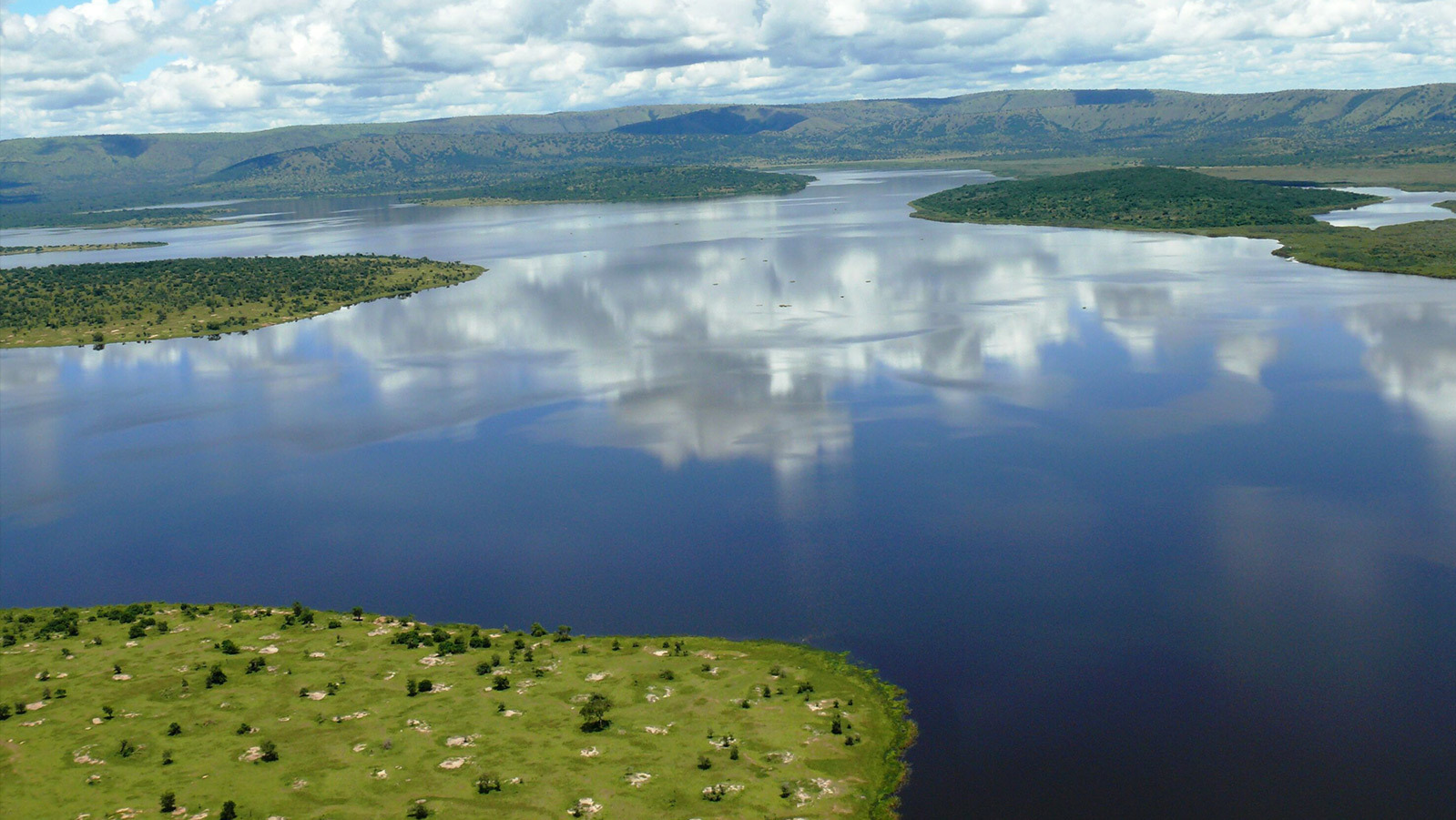
Akagera National Park is Central Africa’s largest protected wetland and the last remaining refuge for savannah-adapted species in Rwanda.
Introduction
In 2010, African Parks assumed management of Akagera National Park in partnership with the Rwanda Development Board (RDB), transforming a depleted park into one that now generates income and conserves an increasing suite of wildlife.
The 1994 genocide had taken its toll on Akagera – much of the land was reallocated as farmland for returning refugees, reducing the size by over 50%. What was left was overrun by cattle, and wildlife numbers had dropped severely. Now, thanks to good partnerships and governance, Akagera National Park has been successful in protecting and restoring the park’s wildlife and ecosystems and increasing ecotourism in the region.
Biodiversity Conservation
When African Parks assumed management, the law enforcement strategy was overhauled, and reintroductions took place. As a result, Akagera has shown amazing growth: Poaching numbers have been greatly reduced and wildlife has rebounded, increasing by over 100% since 2010. Lions were reintroduced to the park in 2015, and the black rhino population was restored through the reintroduction of eastern black rhinos in 2017 and 2019. In 2021, in partnership with RDB and Beyond, 30 southern white rhinos were successfully translocated from Phinda Reserve in South Africa to Akagera. Later in 2025, an additional 70 white rhinos were translocated from South Africa to Akagera as part of African Parks’ Rhino Rewild Initiative to bolster the park’s white rhino population, a milestone made possible through funding from The Howard G. Buffett Foundation.

As a result of improved safety and social support, wildlife is teeming. Since 2010, wildlife numbers have grown from less than 5,000 to almost 12,000 – continuing the process of restoration of Akagera’s precious ecosystem.
The long-term viability of a national park first comes from its security, for wildlife, but also the surrounding communities and visiting guests. African Parks overhauled the law enforcement system, and year-on-year has honed and improved it with the incorporation of a marine team, a helicopter and integrating the use of the latest technologies, weaving it all together. As a result, poaching has been reduced to near zero levels.
Community Development
Akagera’s transformation brought with it opportunities that have changed the lives of its neighbouring communities. The restoration of wildlife populations has increased tourism and, in turn, the demand for local produce and guiding services – the Community Freelance Guides Cooperative has been very successful, with increasing turnover annually. Several projects have also been established to offer the skills and resources needed to develop incomegenerating activities: Fisheries, beekeeping, chicken and mushroom farming, as well as cooperatives providing casual labour.

Many members of Akagera’s community have also benefitted directly from employment with African Parks. Individuals who joined the work force as casual labourers at the beginning of the project are now skilled staff – adept at artisanal activities such as plumbing, welding and carpentry, and able to communicate effectively in English. These skills have subsequently been shared with families and other community members, creating a multiplier effect.
Park Management and Infrastructure
Several infrastructure projects have been completed that improve the quality of life for local communities. Such projects include: constructing social infrastructure (schools, health centres and libraries); building water-provision sites; and helping develop local associations and small enterprises. Karenge Bush Camp was also refurbished, increasing its capacity and enhancing visitor amenities.
Park Revenue Generation
The African Parks model is founded upon achieving sustainability – making conservation pay for itself. To this end, African Parks also made significant investments in tourism, elevating Akagera to a high-end wildlife destination, attracting visitors domestically and internationally. Rwanda is becoming widely renowned as the go-to high-end destination for primates and safari experiences, and Akagera plays an important part in this.
As of 2025, Akagera has achieved over 90% self-financing capacity. After the disruption of Covid-19, tourism has rebounded, not only in the international space but importantly, as a popular destination for local tourism: In fact, Rwandan visitors consistently account for more than 50% of the total number of tourists to Akagera.